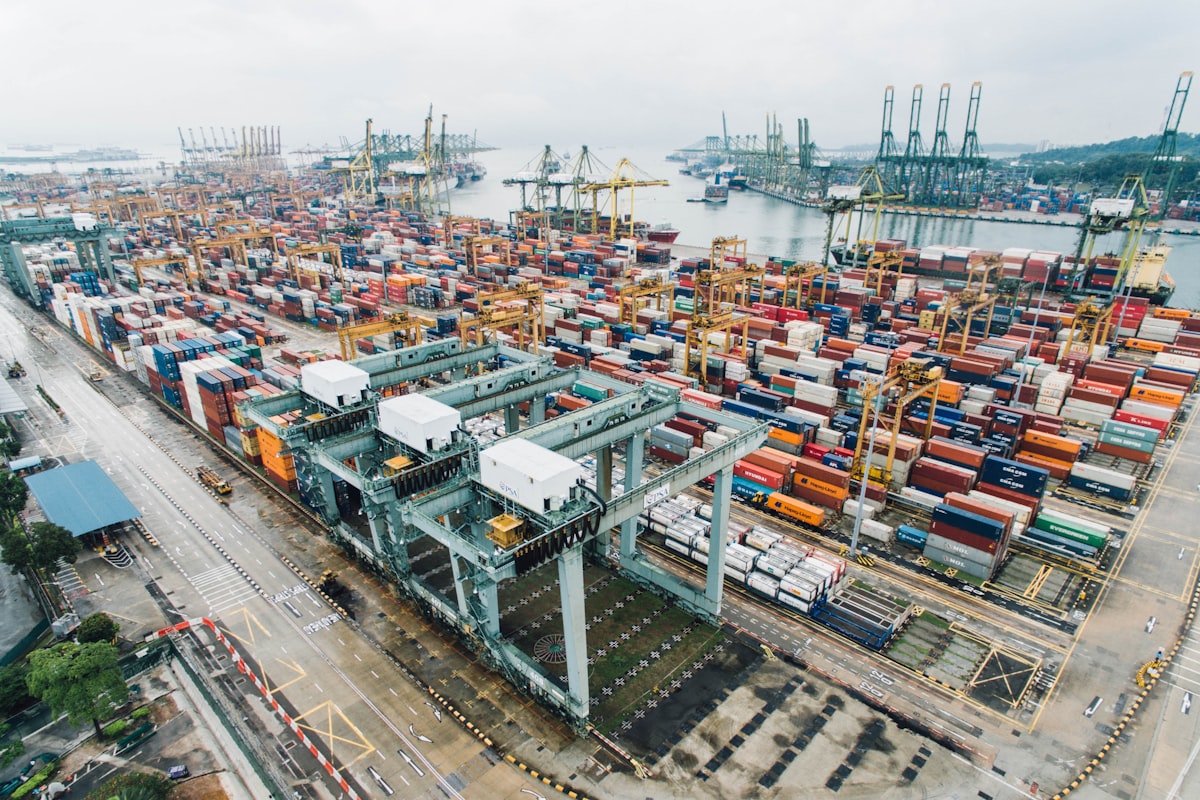

The global trade landscape is evolving rapidly, driven by technological advancements, changing consumer preferences, and geopolitical shifts. As we navigate through 2024, several key trends are shaping the future of international commerce.
Digital Transformation in Trade
The digitization of trade processes continues to accelerate. From blockchain-based supply chain tracking to AI-powered demand forecasting, technology is revolutionizing how businesses conduct international trade. Companies that embrace these digital tools are seeing significant improvements in efficiency and cost reduction.
Sustainable Trade Practices
Environmental concerns are increasingly influencing trade decisions. Consumers and businesses alike are demanding more sustainable products and supply chains. This shift is creating new opportunities for companies that can demonstrate their commitment to environmental responsibility.
Regional Trade Agreements
While globalization remains important, we're seeing a rise in regional trade agreements. These agreements are creating new opportunities for businesses to access nearby markets with reduced barriers.
Supply Chain Resilience
The disruptions of recent years have highlighted the importance of supply chain resilience. Companies are diversifying their supplier base and investing in technologies that provide better visibility and control over their supply chains.
Conclusion
Staying ahead of these trends is crucial for businesses looking to succeed in international trade. At Aytekin Trade, we help our clients navigate these changes and capitalize on emerging opportunities.